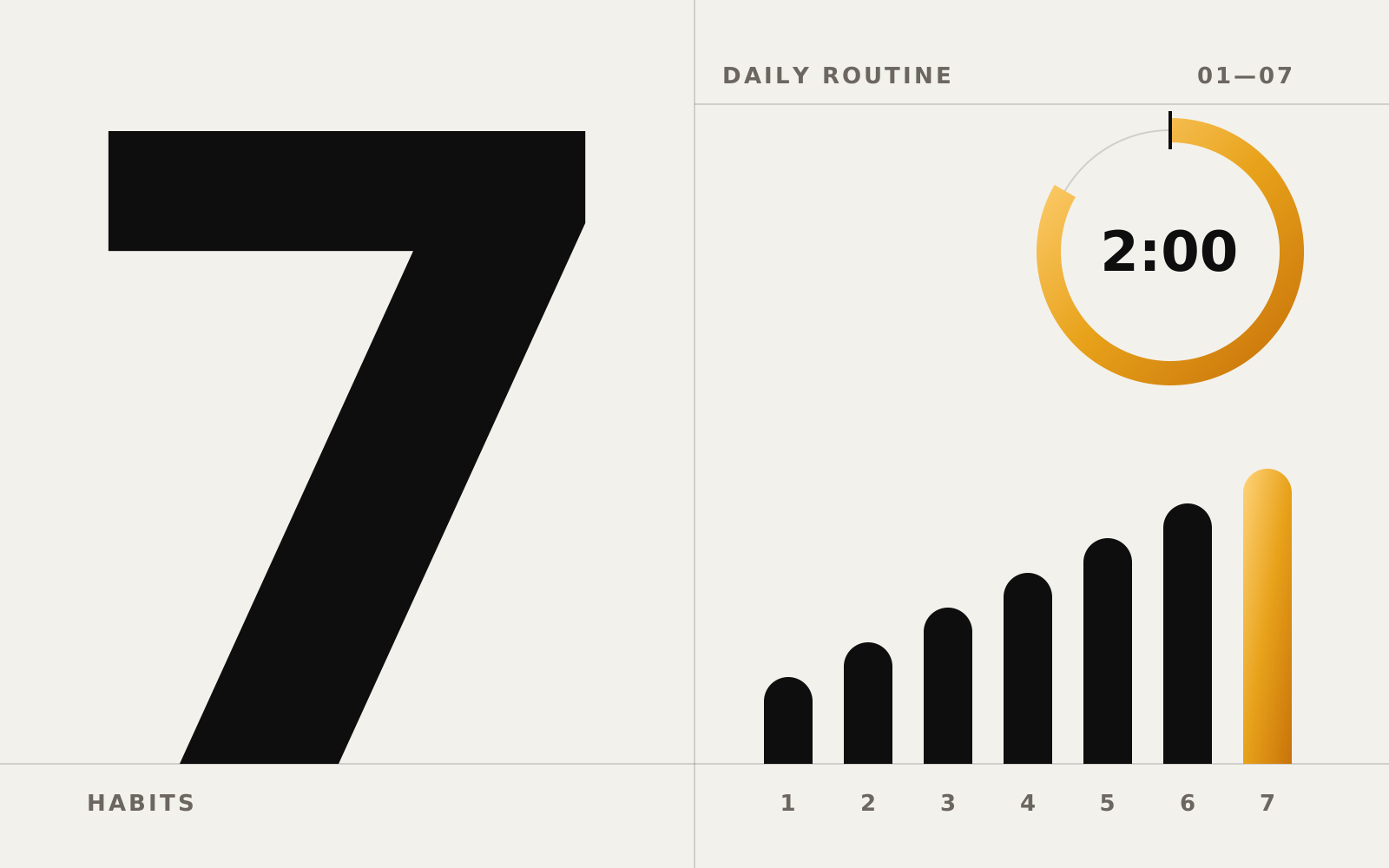
Most of what keeps a mouth healthy happens at home, in a few quiet minutes each day. Good habits are not glamorous, but they add up: they protect enamel, keep gums healthy and make each visit to the dentist simpler. Here are seven habits we recommend to almost every patient, whatever their age.
Brushing: the foundation
1. Brush twice a day for two minutes, with fluoride toothpaste
Brush last thing at night and on one other occasion during the day, for about two minutes each time. Two minutes is longer than most people think, so a timer, or an electric toothbrush with a built-in timer, can help. Use a fluoride toothpaste: fluoride strengthens enamel and helps it resist decay.
Angle the bristles towards the gum line and use small, gentle movements, working around every surface of every tooth. Scrubbing hard does not clean better, and over time it can wear both enamel and gums.
2. Spit, don't rinse
After brushing, spit out the excess toothpaste, but try not to rinse your mouth with water straight away. Rinsing washes off the fluoride left on your teeth, which is exactly what you want to stay there and keep working. If you like to use a mouthwash, choose a different time of day rather than straight after brushing.
Between the teeth
3. Clean between your teeth once a day
A toothbrush cannot reach the tight spaces between your teeth, and that is where decay and gum disease often begin. Once a day, use interdental brushes, floss or a water flosser, whichever you will actually keep using. Interdental brushes come in different sizes, and our team can show you which ones fit your gaps.
A little bleeding at first is common when gums are inflamed, and it usually settles as they become healthier. If it continues after a couple of weeks of regular cleaning, mention it at your next visit.
Food and drink
4. Think about how often you have sugar, not just how much
Every time you eat or drink something sugary, the bacteria in plaque produce acid that attacks your enamel for a while afterwards. Your saliva then needs time to neutralise that acid and help the surface recover. That is why frequency matters so much: a sweet dessert with a meal is kinder to your teeth than the same amount of sugar sipped or snacked on throughout the afternoon.
- Keep sweet foods and drinks to mealtimes where you can.
- Choose water or plain milk between meals.
- Watch for hidden sugars in juices, sweetened tea and coffee, sauces and snack bars.
5. Wait after acidic food and drinks before brushing
Fizzy drinks, fruit juices, citrus fruit, sports drinks and vinegar-based dressings can briefly soften the surface of your enamel. Brushing straight away can wear that softened layer. Instead, rinse with water and wait around an hour before you brush.
Drinking water through the day is a useful habit in its own right. It helps wash away food and acid, keeps your mouth from drying out and, unlike most drinks, it contains no sugar at all.
Your tools and your team
6. Replace your toothbrush about every three months
Worn, splayed bristles clean far less effectively. Replace your toothbrush, or your electric brush head, roughly every three months, or sooner if the bristles look flattened. It is also sensible to change it after a bad cold or throat infection. For most adults, a brush with a small head and soft or medium bristles is a good choice.
7. Keep up regular check-ups
Even the best home routine can miss things. Regular check-ups allow problems such as early decay, gum disease or a cracked filling to be found while they are small and simpler to treat. Some people need to be seen every few months; others can safely go longer between visits. Your dentist will recommend an interval based on your own mouth and history, rather than a one-size-fits-all rule.
Putting it together
None of these habits takes long, and you do not need to change everything at once. Pick one or two that you know you tend to skip, and build from there. One more tip while you are at it: your teeth are not tools. Opening bottles, tearing packets or biting thread can chip teeth and crack fillings, so reach for scissors instead.
Good oral health is rarely about one big change. It is the small things, done every day, that make the difference.
If you are not sure whether your routine is working, bring your questions to your next appointment. We are always happy to show you techniques and products that suit your mouth.
Has it been a while since your last visit? Book a check-up and we will help you keep your smile healthy for years to come.
This article is general information and not a substitute for a dental examination. If you have pain, swelling or a concern about your teeth, book an appointment or message us on WhatsApp.