
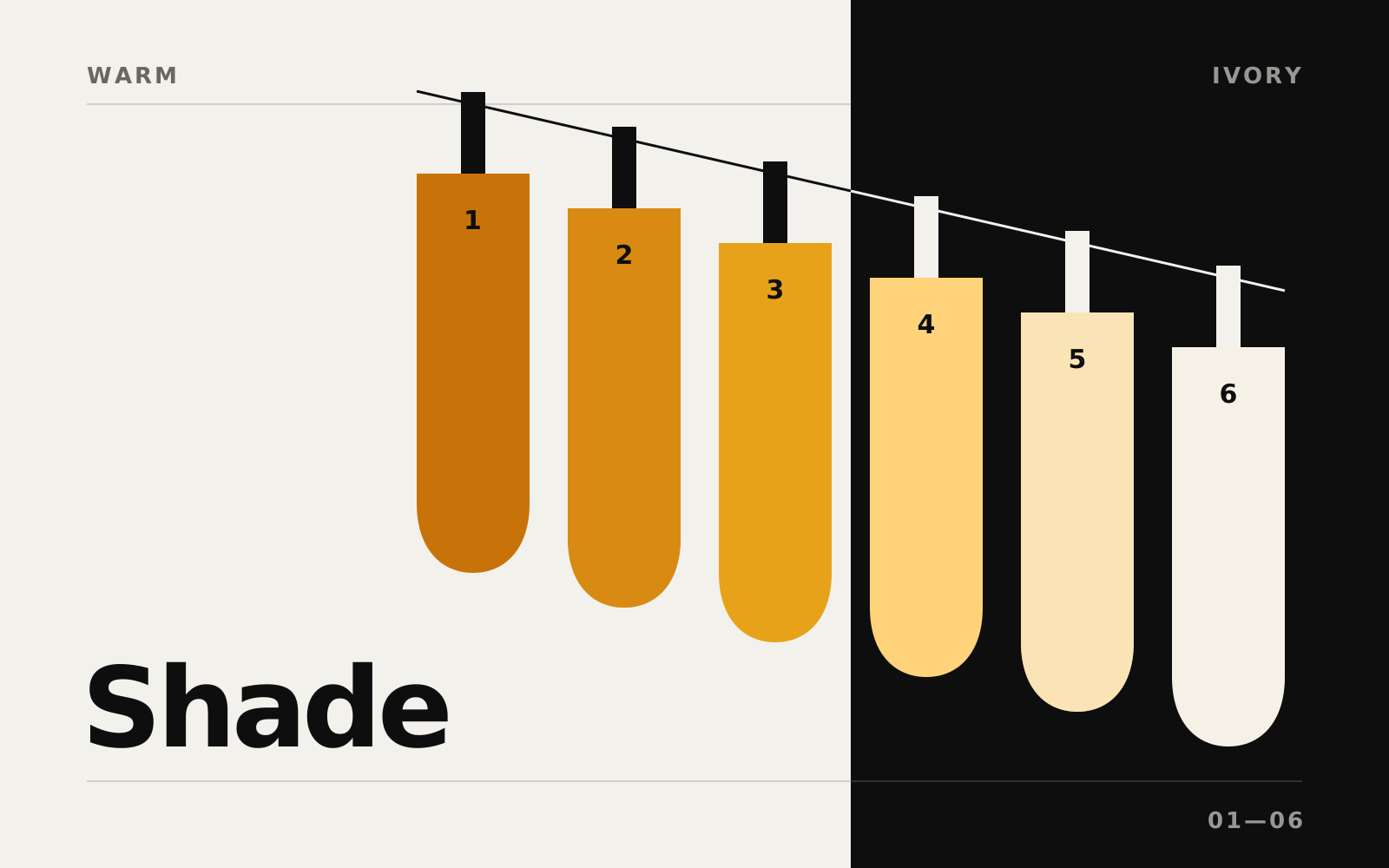
A brighter smile is one of the things patients ask us about most. Whitening can be a safe and effective way to lift the shade of natural teeth, but only when it is done properly, on healthy teeth, with realistic expectations. This guide explains how it works, what to be cautious of, and how to make your results last.
How whitening works
Most tooth whitening relies on one of two ingredients: hydrogen peroxide, or carbamide peroxide, which breaks down into hydrogen peroxide. These pass into the enamel and the layer beneath it, called dentine, and break down the stain molecules that make teeth look darker or more yellow. The tooth is not being scrubbed or stripped away; the colour within it is lightened.
How much change you see depends on the type of discolouration. Yellowish staining from age, tea or coffee often responds well. Greyer or deeper stains, such as those caused by certain medicines or a tooth that has darkened after an injury or root canal treatment, may respond less predictably and sometimes need a different approach.
Dentist-supervised options
There are two main ways whitening is carried out under a dentist's care:
- Take-home trays. Thin, custom-made trays are made to fit your teeth closely. You wear them with a whitening gel for a set time each day or night, usually over a couple of weeks, following your dentist's instructions.
- In-office whitening. A stronger gel is applied in the dental chair while your gums are carefully protected. It can give a noticeable change in one visit, and is often combined with take-home trays to build and maintain the result.
Both approaches can work well. The right choice depends on your teeth, how sensitive they are, your timescale and your preferences. Ask our team which option might suit you; we're happy to talk it through at your visit.
Sensitivity: common, and usually temporary
Many people notice some sensitivity during whitening, often as brief twinges with cold drinks or cold air. The gums can also feel a little sore if gel touches them. For most people this settles on its own after a short break or once the course is finished. Your dentist may suggest a toothpaste for sensitive teeth, shorter wear times or spacing treatments further apart. If sensitivity is severe or does not settle, stop whitening and get in touch.
Fillings, crowns and veneers won't change colour
Whitening only works on natural tooth structure. Tooth-coloured fillings, crowns, bridges and veneers stay the same shade, so after whitening they can look darker than the teeth around them. If you have restorations on your front teeth, it is worth planning ahead. Sometimes whitening is done first, and any visible restorations are replaced afterwards to match the new shade.
What to avoid
Social media is full of home remedies that promise whiter teeth. Many of them do more harm than good:
- Lemon juice, vinegar and other acids soften and dissolve enamel, and lost enamel does not grow back.
- Charcoal powders and pastes can be abrasive. They may remove some surface stain, but they can also wear enamel, which can make teeth look more yellow over time as the dentine beneath shows through.
- Baking soda scrubs and hard brushing can be abrasive for the same reason.
- Unregulated products bought online may contain unknown or unsuitable ingredients, and one-size trays can let gel leak onto the gums.
Whitening should always start with a check-up. Decay, leaking fillings, gum disease or worn enamel should be treated first, both for your comfort and because whitening over an untreated problem can make things worse. Whitening is also not usually recommended during pregnancy or breastfeeding, or for children and teenagers.
Making your results last
Whitening is not permanent. Teeth gradually pick up stain again, and how quickly depends largely on what you eat and drink. To keep your smile bright for longer:
- Brush twice a day with a fluoride toothpaste and clean between your teeth daily.
- Cut down on strongly coloured drinks such as black tea, coffee and cola, or rinse with water afterwards.
- Avoid smoking and other tobacco, which stain teeth quickly.
- Keep up regular check-ups and professional cleaning.
- Ask your dentist about occasional top-ups, rather than repeating a full course on your own.
A healthy smile comes first. A whiter one is best built on top of it.
For more everyday advice, read our guide to seven daily habits for a healthier smile.
Thinking about whitening? Start with a check-up so we can make sure your teeth and gums are ready. You can book your appointment online.
This article is general information and not a substitute for a dental examination. If you have pain, swelling or a concern about your teeth, book an appointment or message us on WhatsApp.